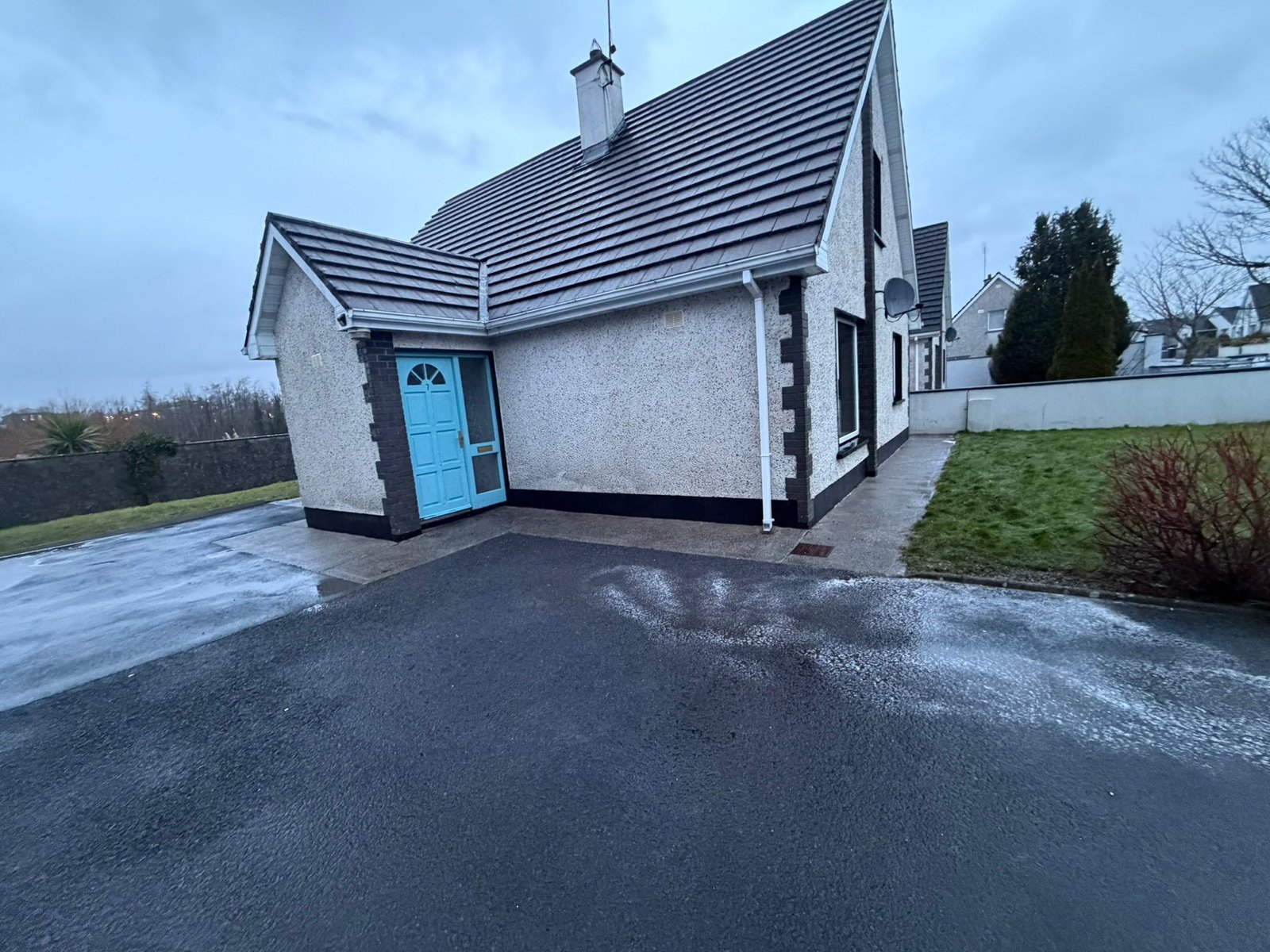
Many property owners assume that a high-pressure jet is the only way to clean exterior surfaces. In reality, pressure washing is just one of several techniques — and using it on the wrong surface can cause expensive damage. Here's everything you need to know about the two main approaches.
What Is Pressure Washing?
Pressure washing (also called power washing) uses a high-pressure water jet — typically 2,000–4,000 PSI — to blast dirt, grime, moss, and stains off hard surfaces. It's highly effective on tough, durable materials.
Best for: Concrete, tarmac, block paving, natural stone patios, driveways, and car parks.
Not suitable for: Render, K-rend, painted surfaces, wood, roofing tiles, or any surface that can be eroded or pitted by high pressure.
What Is Soft Washing?
Soft washing uses low-pressure water (under 500 PSI) combined with biodegradable cleaning solutions that kill algae, moss, lichen, and bacteria at the root. The chemicals do the work, not the pressure.
Best for: Render, K-rend, painted walls, roofs, wooden fencing, cladding, UPVC, and any delicate surface.
Key advantage: Results last 4–6 times longer than pressure washing alone, because the biocide kills growth at the root rather than just removing what's visible on the surface.
Why Does It Matter?
Using pressure washing on a rendered wall can blow holes in the surface, force water behind the render causing damp, and void your building insurance. We've been called to fix damage caused by well-meaning DIYers and inexperienced operators who pressure-washed surfaces that should have been soft washed.
Which Should You Choose?
A professional exterior cleaning company will assess every surface and use the right technique automatically. At West Clean Property Care, we bring both systems to every job and match the method to the surface. You don't need to choose — just request a free quote and we'll recommend the right approach.
Need Professional Help?
Get a free, no-obligation quote for your home or business in Galway, Mayo, or Roscommon.